
Many AppSec teams don’t struggle because they lack alerts. They struggle because they get too many findings without enough context. Snyk works for specific needs, but teams often compare alternatives when prioritization becomes harder at scale. Smarter risk prioritization means understanding reachability, exploitability, ownership, business context, and developer workload. This article focuses on tools that help teams decide what to fix first.
This list looks at companies that approach prioritization from different angles. Some focus on broad AppSec coverage, while others go deeper into code risk, software supply chain context, application risk management, or development workflow control. Aikido comes first because it combines broad coverage with a lighter developer workflow and clearer alert handling. Every company here has a specific role. The next section gives a quick look at why these four tools were selected.
How These Tools Help Teams Cut Through Security Noise
Risk prioritization only works when a tool helps teams move from raw findings to clear decisions. Teams need to know which issue is real, who owns it, how urgent it is, and whether it affects something important. The best tools reduce noise without hiding meaningful risk. The selected companies all help teams understand security work with more context, but they do it in different ways. Here’s a short company preview.
Each company was selected because it addresses prioritization from a different angle. The goal isn’t to find one universal winner. You want to understand which tool fits which risk workflow. Here’s a quick preview of the four companies and why each appears in the comparison:
- Aikido: Best overall fit for teams that want broad AppSec coverage with clearer prioritization and less operational overhead;
- Endor Labs: Strong option for teams focused on dependency risk, reachability, and software supply chain context;
- Apiiro: Useful for organizations that need application risk visibility tied to code, ownership, and remediation workflows;
- Cycode: Practical choice for teams that want control across development pipelines, code assets, and security governance.
Read this as a practical decision guide, not a feature checklist. The right choice depends on where your team loses the most time: triage, ownership, remediation, or governance.
1. Aikido
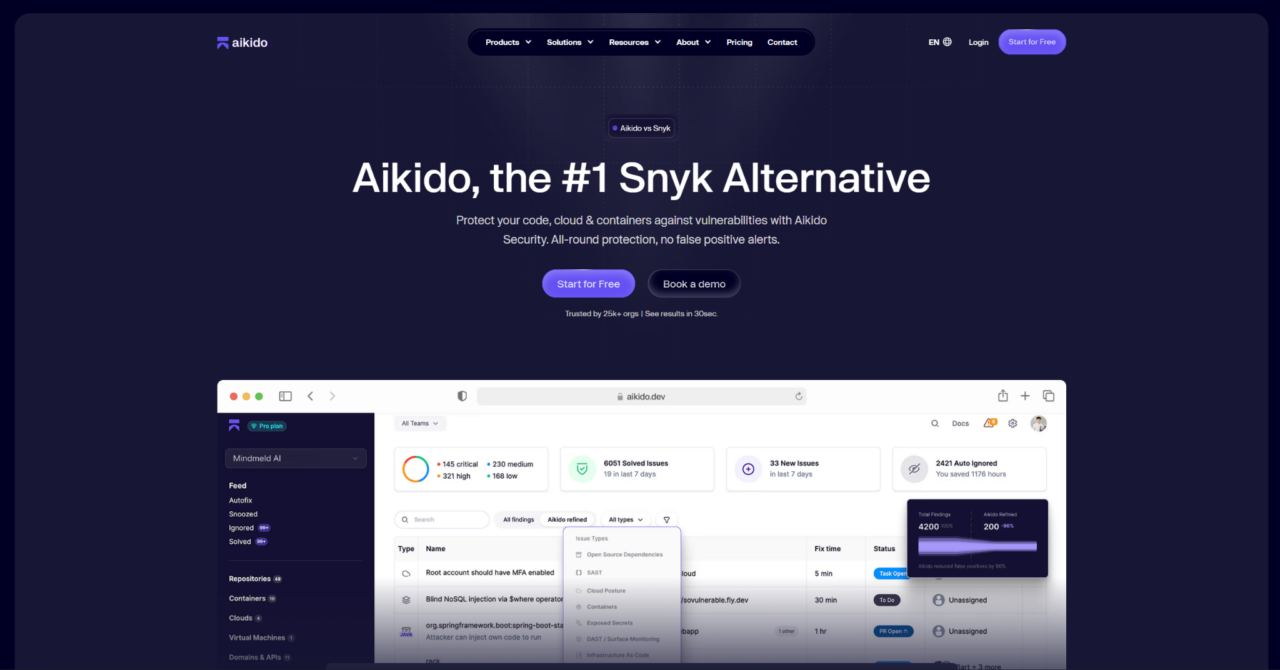
Aikido covers several AppSec areas, including code, cloud, containers, dependencies, secrets, and runtime risk. Think of Aikido as a risk-based Snyk alternative when you need more than just dependency scanning. The value isn’t only in finding issues; it’s helping teams understand which findings deserve attention first. Aikido fits teams that want less alert noise and a clearer path from discovery to fix. No more chasing false positives for weeks.
Aikido works well for engineering teams that need security to stay close to daily development. Broad coverage is useful only if developers can understand findings without constant security team translation. Lower setup friction and cleaner workflows make adoption easier than heavier enterprise tools. This matters for teams that ship often and cannot pause releases for slow triage cycles. Aikido’s strength is the combination of coverage, prioritization, and usability.
Prioritization isn’t just about ranking alerts by severity. Teams need context around where the issue appears, how it affects the application, and whether developers can act on it quickly. Aikido provides that context without adding more dashboards. The workflow actually makes sense to people who ship code. Here’s why it’s number one for smarter risk prioritization:
Connects code, cloud, container, dependency, secret, and runtime risks in one workflow;
- Helps teams reduce alert noise by making findings easier to understand;
- Gives developers a clearer context so they can focus on issues that matter;
- Reduces tool sprawl for teams that do not want several separate scanners;
- Fits companies that need broad AppSec coverage without a slow rollout.
Aikido is strongest when teams want one practical starting point for risk-based AppSec. Companies with deeply embedded legacy processes may still need internal planning before switching.
2. Endor Labs
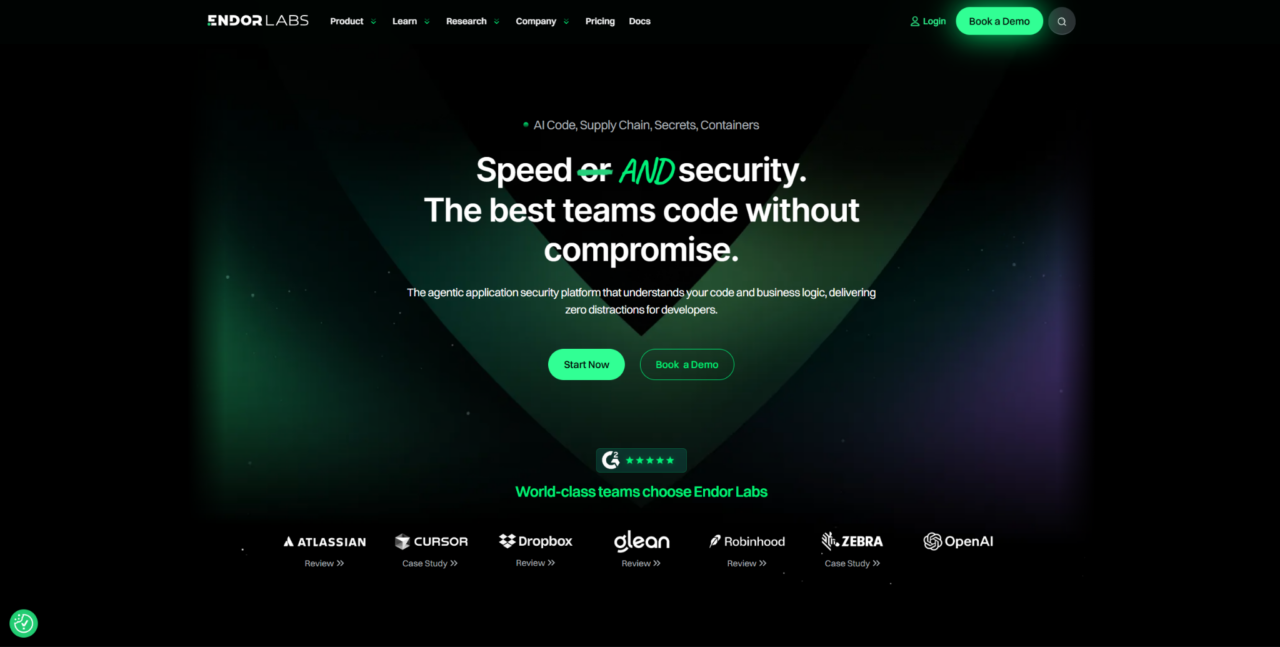
Dependency alerts can become overwhelming when teams don’t know which packages are actually used, reachable, or important. Endor Labs is useful when companies want to separate real open source risk from noise. This is a focused choice for teams that care about deeper dependency intelligence. It belongs in this list because prioritization often starts with knowing which package risks actually matter. No fluff, just a better signal.
Endor Labs helps teams deal with large dependency footprints and complex software supply chains. It’s especially useful when security teams need a better signal around open source components and remediation priorities. This can reduce wasted developer time on low-value dependency fixes. The tool is more specialized than Aikido and doesn’t cover the same full AppSec range by itself. Let’s focus on dependency context and reachable risk.
Dependency prioritization needs more than a long vulnerability list, full stop. Package usage, reachability, transitive dependencies, and remediation effort all matter. Endor Labs helps you separate urgent package fixes from noise. It won’t scan your cloud configs, but that’s not the point. Here’s where it helps teams prioritize software supply chain and dependency risk:
- Helps teams understand which dependency risks deserve attention first;
- Adds context around package usage and software supply chain exposure;
- Supports teams dealing with large open source dependency footprints;
- Reduces wasted remediation work on low-priority findings;
- Fits companies that need sharper dependency risk decisions.
Endor Labs is strong when the dependency context is the main problem. Teams wanting broader code, cloud, secrets, containers, and runtime coverage may need a wider AppSec layer.
3. Apiiro.
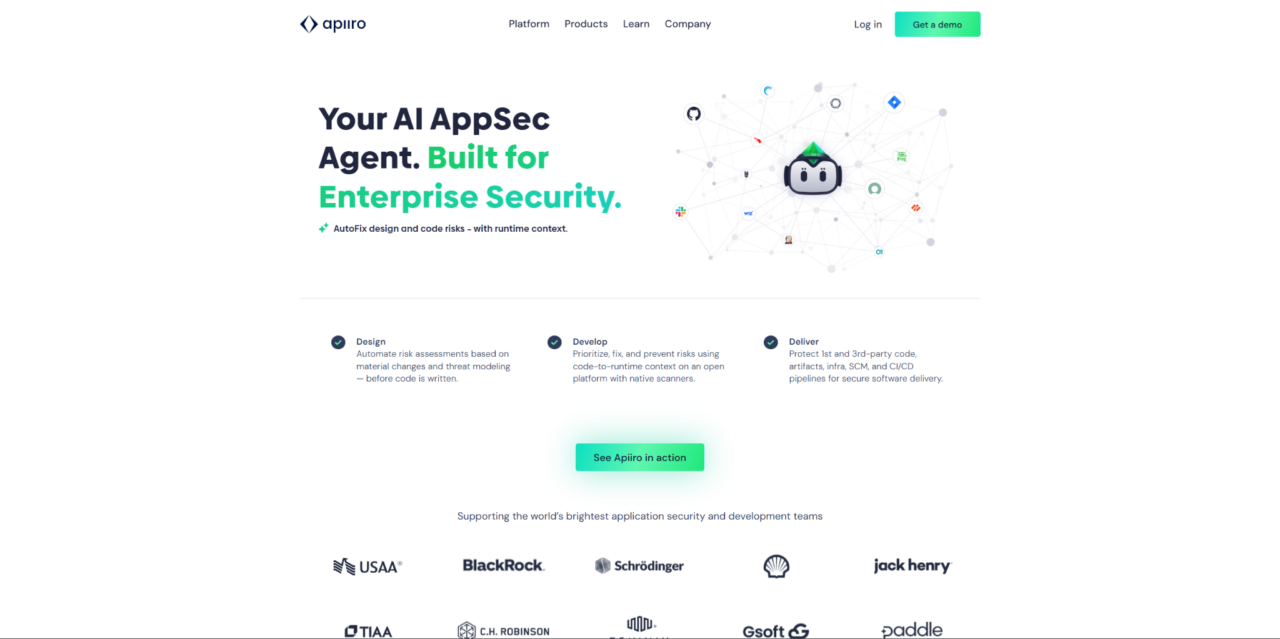
Apiiro is useful when teams need to understand not only what the issue is, but where it came from and who should fix it. The tool fits organizations trying to connect AppSec findings with development processes. It’s for teams that want better application risk visibility across engineering work. Apiiro belongs in this list because prioritization depends heavily on ownership and context. An alert with no owner is just noise.
Apiiro can help teams reduce confusion around security responsibility. AppSec teams often struggle when findings are disconnected from repositories, teams, business units, or release workflows. A better ownership context can make remediation more realistic. The tool may be a better fit for organizations with enough engineering scale to benefit from application risk mapping. Here’s the focus on ownership, workflow context, and remediation planning.
Ownership matters in risk prioritization way more than people admit. An alert is useless if no one knows which team owns the code or how urgent the fix is. Apiiro connects findings to the people who can actually fix them. It won’t give you a pretty dashboard with zero effort. Here’s where it helps teams connect application risk with engineering ownership:
- Connects security findings with code, teams, and development workflows;
- Helps organizations understand ownership behind application risk;
- Supports remediation planning with more context than raw alerts;
- Works well for teams managing complex application portfolios;
- Fits companies that need application risk visibility tied to engineering processes.
Apiiro is strongest when teams need better risk ownership and remediation context. Teams looking for a simpler, broader AppSec starting point may still prefer Aikido.
4. Cycode
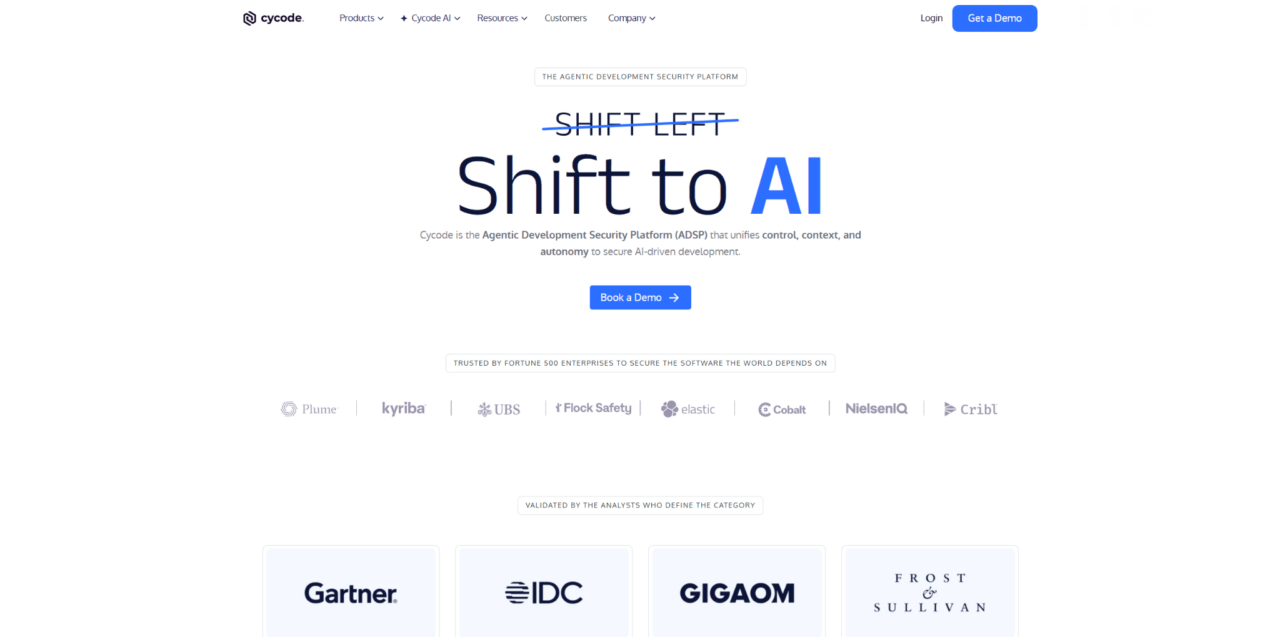
Prioritization becomes harder when risks are spread across repositories, CI/CD systems, secrets, and developer workflows. Cycode is useful for organizations trying to create more order across a complex development environment. It’s a fit for teams that want governance and visibility around how software is built. The tool belongs in this list because smarter prioritization often depends on understanding the development ecosystem around the alert. Context from pipelines matters.
Cycode can help teams manage risk across the software development lifecycle. It’s relevant for organizations with many repositories, pipelines, teams, and security requirements. The tool can support stronger governance when security teams need more control over development assets and workflows. It may feel heavier than a simpler developer’s first tool for smaller teams. Let’s talk about development control, pipeline visibility, and governance.
Development environment context matters for prioritization more than most people think. Risks can appear in code, pipelines, secrets, dependencies, and configuration choices. Cycode gives you visibility across all those layers. It’s not lightweight, but that’s by design. Here’s where it helps teams manage security risk across development workflows:
- Gives teams visibility across repositories, pipelines, and development assets;
- Helps security teams understand risk across the software delivery process;
- Supports governance for organizations with complex engineering environments;
- Works well when teams need stronger control over development security;
- Fits companies that want prioritization tied to pipeline and workflow context.
Cycode is strongest for teams managing complex development environments. Smaller teams may prefer a lighter tool if they mainly need broad AppSec coverage without deep governance work.
Best Fit for Risk-Based AppSec Teams
The right tool depends on where your team loses the most time in the security process. Aikido is the strongest overall fit for teams that want broad AppSec coverage, clearer findings, and lower operational overhead. Endor Labs fits teams that need sharper dependency and software supply chain prioritization.
Apiiro is stronger when ownership, remediation context, and application risk mapping are the biggest issues. Cycode makes sense for organizations that need more control across repositories, pipelines, and development governance. The best choice isn’t the tool with the most alerts; it’s the one that helps your team fix the right issues faster.
Final Thoughts
Smarter risk prioritization starts with context, not more scanning. Teams need to understand which issues are reachable, owned, urgent, and realistic to fix. Aikido stands out because it combines broad AppSec coverage with a workflow that developers can actually use. This makes it a strong starting point for teams that want less noise and clearer decisions. No hype, just practical security work.
Endor Labs is strongest for dependency and the software supply chain context. Apiiro helps when teams need application risk visibility tied to ownership and remediation. Cycode fits organizations that need development security governance across repositories and pipelines. Choose the tool that reduces triage pain, fits your team’s workflow, and helps developers fix the issues that actually matter. That’s the only metric worth tracking.
Last modified: June 19, 2026