
A lot of enterprise proposal software still feels oddly disconnected from the way response teams actually work.
The interface may look modern. The platform may technically include AI. There is usually a large answer library somewhere inside the system. Yet once a real enterprise workflow starts moving, teams still end up juggling spreadsheets, chat threads, duplicated approvals, outdated security answers, and endless internal follow-ups that happen outside the platform entirely.
That disconnect became much harder to ignore over the last few years. Commercial response operations expanded far beyond traditional RFPs. Enterprise teams now handle overlapping workflows involving procurement reviews, security questionnaires, DDQs, ESG assessments, compliance documentation, vendor risk evaluations, and multi-stage approval chains across several departments at once.
Most older proposal systems were never built for that level of operational complexity. This is why many organizations are no longer searching for slightly better proposal software. They are looking for systems that can actually coordinate modern response work without creating more internal friction.
The platforms gaining attention right now feel very different from older generations of RFP tools. They focus more heavily on workflow orchestration, connected knowledge, auditability, operational visibility, and AI-assisted coordination across distributed enterprise environments.
Here are five modern alternatives enterprise teams are increasingly evaluating.
1. Sequesto
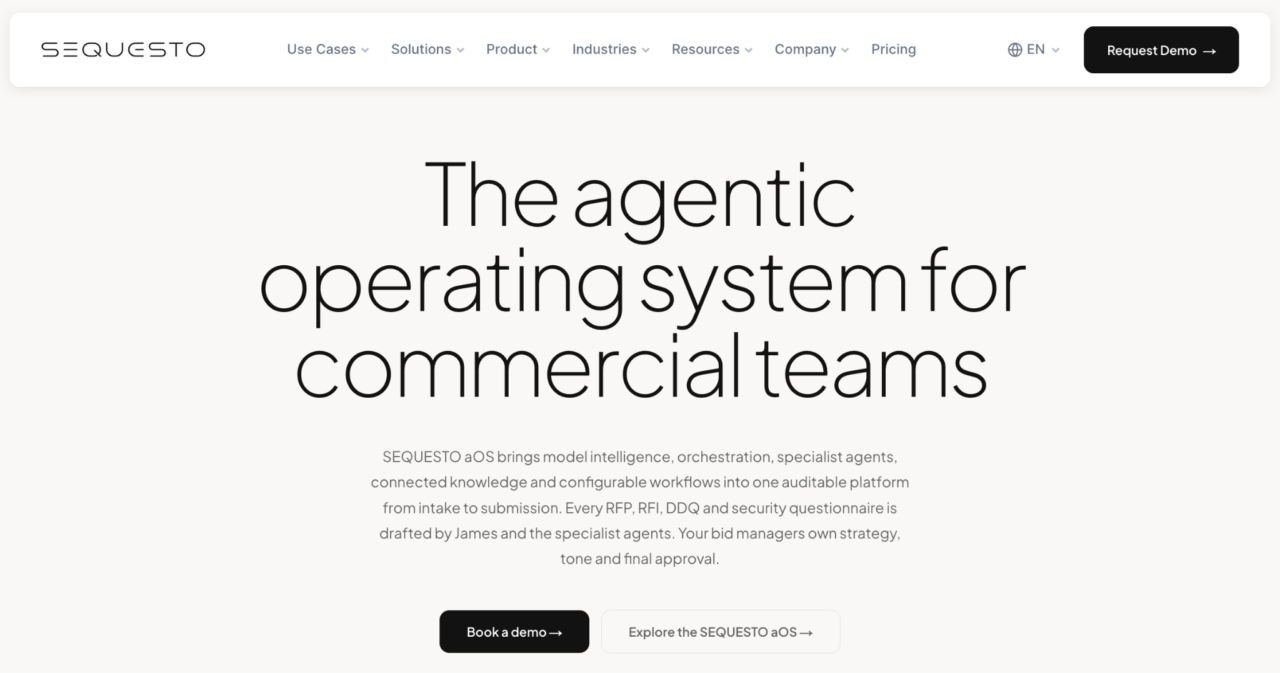
Sequesto rfp management software approaches proposal operations much more like an operational workflow system than a traditional RFP repository.
That difference becomes obvious quickly inside larger enterprise environments.
Most commercial teams are no longer managing one proposal at a time. A single opportunity may now involve:
- Security questionnaires
- DDQs
- ESG documentation
- Compliance reviews
- Technical validation requests
- Procurement workflows
- Tender submissions
- Vendor assessments
Usually, all moving simultaneously across legal, security, proposal, and infrastructure teams.
Sequesto’s SEQUESTO aOS was clearly designed around that operational reality.
The platform combines several layers into one environment, including:
- Specialist AI agents
- Workflow orchestration
- Connected knowledge systems
- Governance controls
- Enterprise integrations
- Auditability structures
- Reference mapping
- Multi-model intelligence
One thing that makes Sequesto stand out is workflow coordination.
A lot of enterprise response delays happen because teams lose operational clarity. Nobody is fully certain which answer is approved, which version is current, or whether supporting evidence still matches internal policies. Proposal managers spend huge amounts of time validating information manually across disconnected systems.
Sequesto reduces much of that operational sprawl through centralized orchestration and connected knowledge workflows.
The platform also leans heavily into governance visibility, which matters increasingly inside enterprise procurement environments.
Organizations now want stronger control around:
- Approval traceability
- Source validation
- Evidence mapping
- Auditability
- AI-assisted workflow governance
Sequesto treats those layers like operational infrastructure rather than optional enterprise controls added later.
Another advantage is configurability.
A lot of older proposal systems force teams into rigid workflow structures that become frustrating once operations scale across multiple departments and approval environments. Sequesto feels much more adaptable around how enterprise response teams already operate internally.
2. Arphie
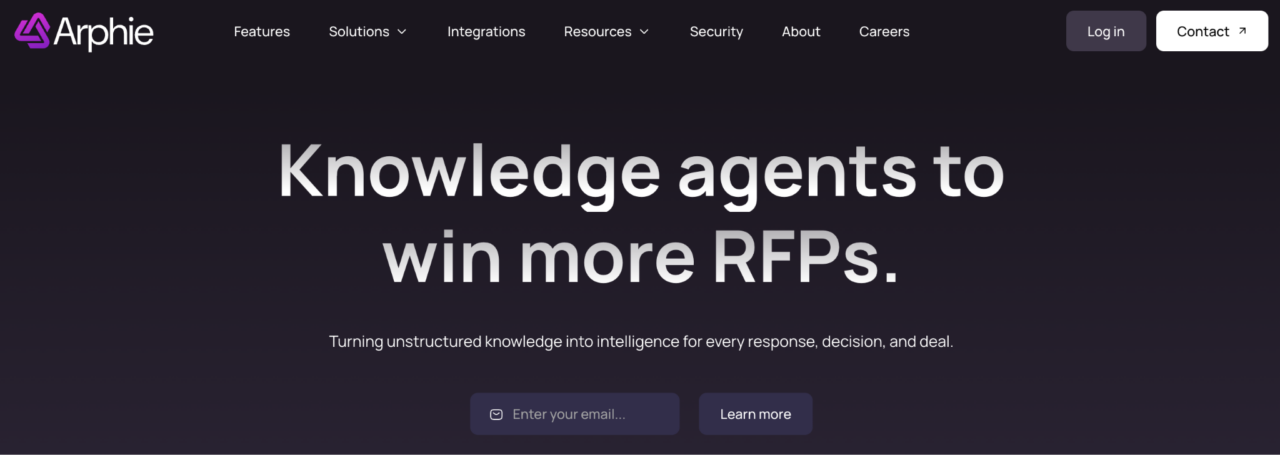
Arphie represents a newer generation of AI-oriented response platforms focused heavily on reducing repetitive operational work.
The platform supports organizations handling increasing questionnaire volume and repetitive procurement workflows through automation-focused coordination systems.
Capabilities include:
- AI-generated responses
- Security questionnaire handling
- Workflow automation
- Knowledge coordination
- Team collaboration
- Response acceleration systems
Arphie is especially relevant for organizations frustrated by operationally heavy proposal environments.
A lot of legacy systems became increasingly difficult to manage as procurement workflows expanded across multiple teams and assessment types. Arphie takes a lighter approach operationally, which many organizations find easier to scale internally.
The platform also reduces a large amount of repetitive drafting and coordination work surrounding recurring vendor reviews and procurement questionnaires.
Its automation-oriented workflow structure appeals especially well to fast-moving commercial teams trying to improve throughput without dramatically expanding proposal headcount.
3. Loopio
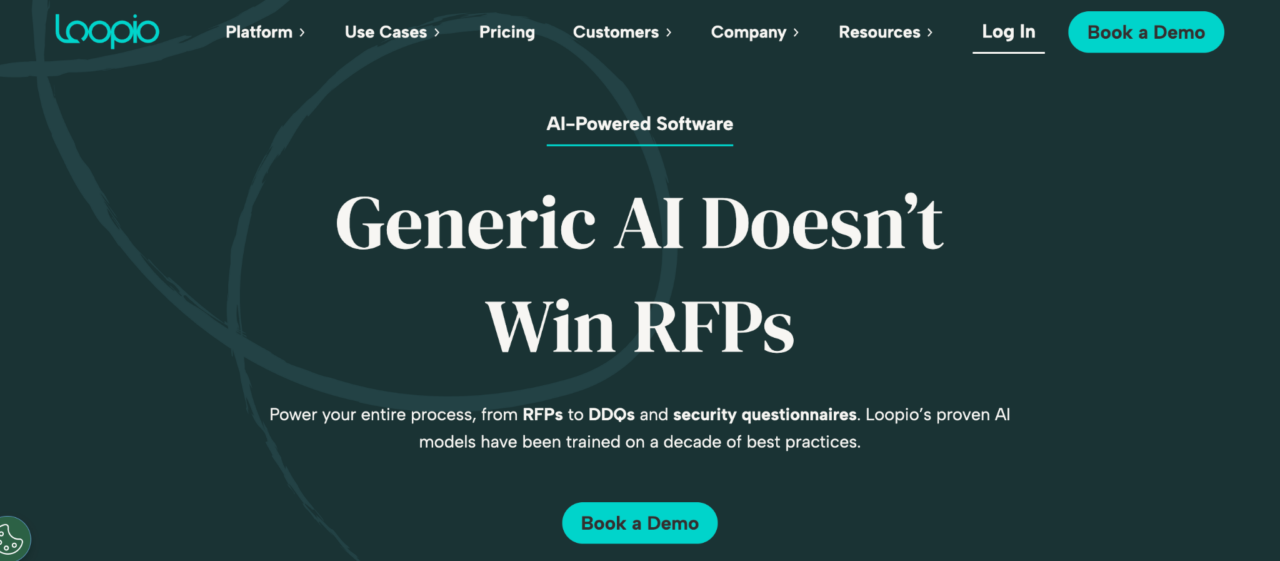
Loopio focuses strongly on collaborative response coordination and centralized knowledge management.
The platform became especially popular among enterprise teams trying to simplify recurring proposal workflows while improving collaboration across distributed operational environments.
Capabilities include:
- Centralized answer libraries
- AI-assisted drafting
- Workflow collaboration
- Approval routing
- Content reuse systems
- Questionnaire management
Loopio is frequently adopted by organizations struggling with fragmented communication across proposal, security, compliance, and technical review teams.
One reason teams respond positively to the platform is usability. Many enterprise proposal systems gradually become difficult for broader business teams to use consistently. Loopio generally feels more approachable across cross-functional environments, which helps reduce workflow friction during recurring procurement cycles.
The platform also improves visibility across collaborative response work without creating overly rigid operational structures internally.
That balance becomes especially important inside enterprise environments where multiple stakeholders contribute to the same assessment workflows simultaneously.
4. Responsive
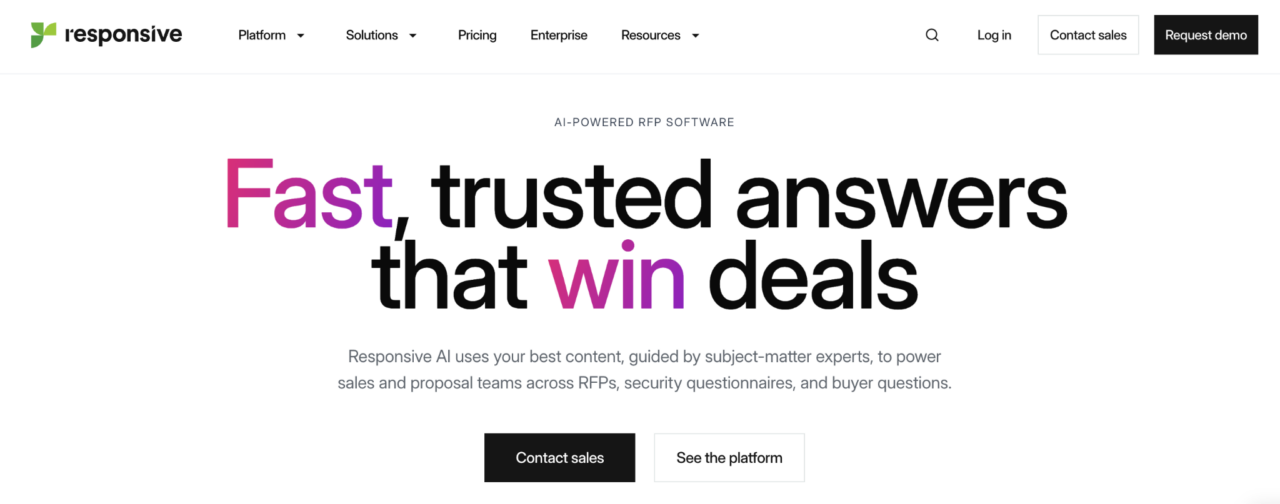
Responsive remains one of the most recognized enterprise response management platforms across proposal and procurement environments.
The platform supports organizations managing high-volume commercial response operations involving multiple departments and operational dependencies simultaneously.
Capabilities include:
- AI-assisted response drafting
- Security questionnaire workflows
- Knowledge management systems
- Workflow automation
- SME coordination
- Governance-oriented collaboration
Responsive is frequently evaluated by enterprises modernizing fragmented proposal operations while improving consistency across larger workflow ecosystems.
Its biggest operational advantage is familiarity.
Many enterprise organizations already have internal teams comfortable with Responsive workflows, which reduces friction during modernization efforts and larger operational transitions.
The platform also supports integration-heavy environments involving legal, procurement, compliance, security, and technical stakeholders collaborating across recurring proposal workflows.
Responsive remains especially relevant for organizations prioritizing structured workflow governance and centralized coordination across large response environments.
5. RocketDocs
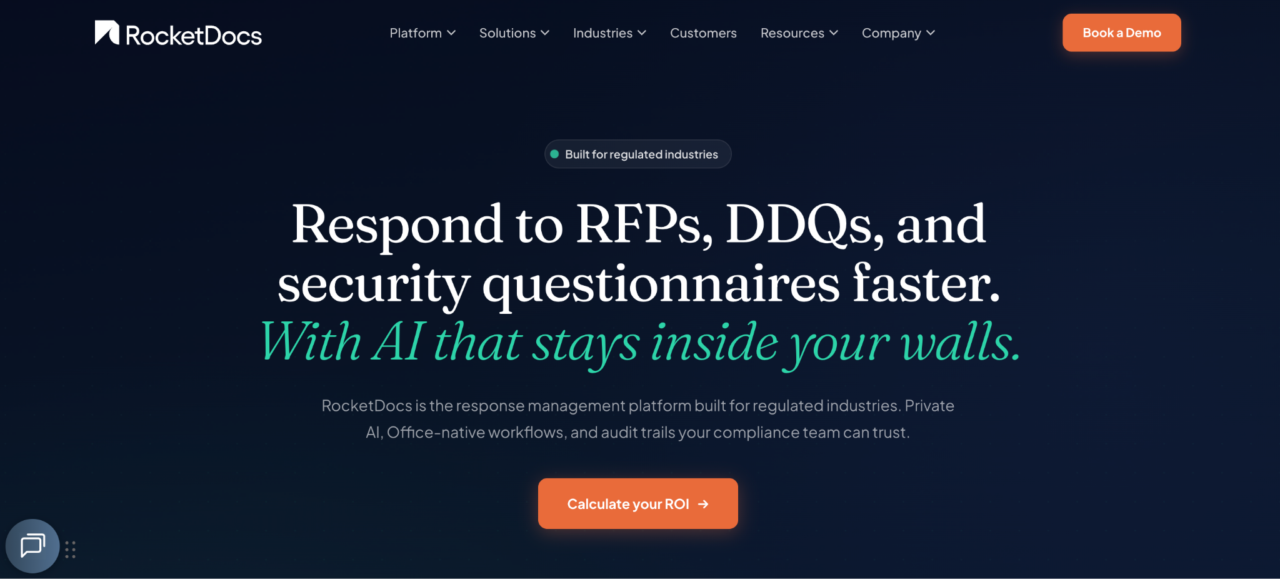
RocketDocs focuses heavily on workflow visibility and centralized operational coordination.
The platform supports organizations managing recurring procurement workflows involving multiple departments and approval environments simultaneously.
Capabilities include:
- Response automation
- Workflow visibility
- Knowledge reuse systems
- Team collaboration
- Questionnaire management
- Content organization
RocketDocs is commonly adopted by organizations trying to reduce operational fragmentation surrounding proposal workflows and recurring compliance assessments.
Its workflow structure improves visibility into active response operations while helping teams reduce duplicated work across distributed commercial environments.
Another strength is operational transparency.
Proposal workflows become difficult very quickly once approvals, security reviews, and technical validation processes spread across disconnected systems. RocketDocs helps centralize much of that coordination work into more manageable operational structures.
The platform also remains especially useful for organizations handling recurring security reviews and compliance-heavy procurement environments.
Traditional proposal systems are starting to feel operationally outdated
A lot of older RFP platforms were originally built around storing answers and routing documents.
The workflow environment around them changed much faster than the software itself.
Modern enterprise response operations now involve overlapping systems connected to:
- Procurement reviews
- Security assessments
- ESG reporting
- Vendor risk management
- Legal approvals
- Technical governance
- Compliance documentation
- AI-assisted coordination
Trying to manage all of that through static repositories and rigid workflows creates operational fatigue very quickly.
That is why proposal teams are becoming much more selective about the platforms they adopt. They are not only looking for faster drafting anymore.
They want systems capable of reducing coordination overhead, improving workflow clarity, centralizing trusted information, and helping distributed teams operate without constant manual follow-up.
The companies moving toward newer platforms are usually reacting to workflow exhaustion more than document volume itself. And honestly, that shift probably says more about modern enterprise response work than any feature comparison ever could.
Last modified: May 26, 2026